Overview
- Coordinate your photographer and wedding planner early so both understand the schedule, responsibilities, and wedding vision.
- Create one shared wedding-day timeline that includes photography sessions, travel time, and important events.
- Confirm travel, venue, access, and equipment logistics before the wedding day.
- Align on photography priorities, must-have shots, and cultural or family traditions.
- Establish a clear communication system so updates and schedule changes are handled efficiently.
- Prepare backup plans for weather, delays, and other unexpected destination-wedding challenges.
Planning a wedding abroad involves more moving parts than a local celebration, especially when vendors are traveling from different places. If you are hiring an international photographer for a destination wedding, strong coordination with your wedding planner is essential. Your planner manages the overall flow of the event, while your photographer needs the right timing, access, and information to capture every important moment.
When both professionals communicate early and work from the same plan, you can avoid scheduling conflicts, reduce last-minute stress, and create a smoother experience for everyone involved.
Coordinate Your Photographer and Wedding Planner Early
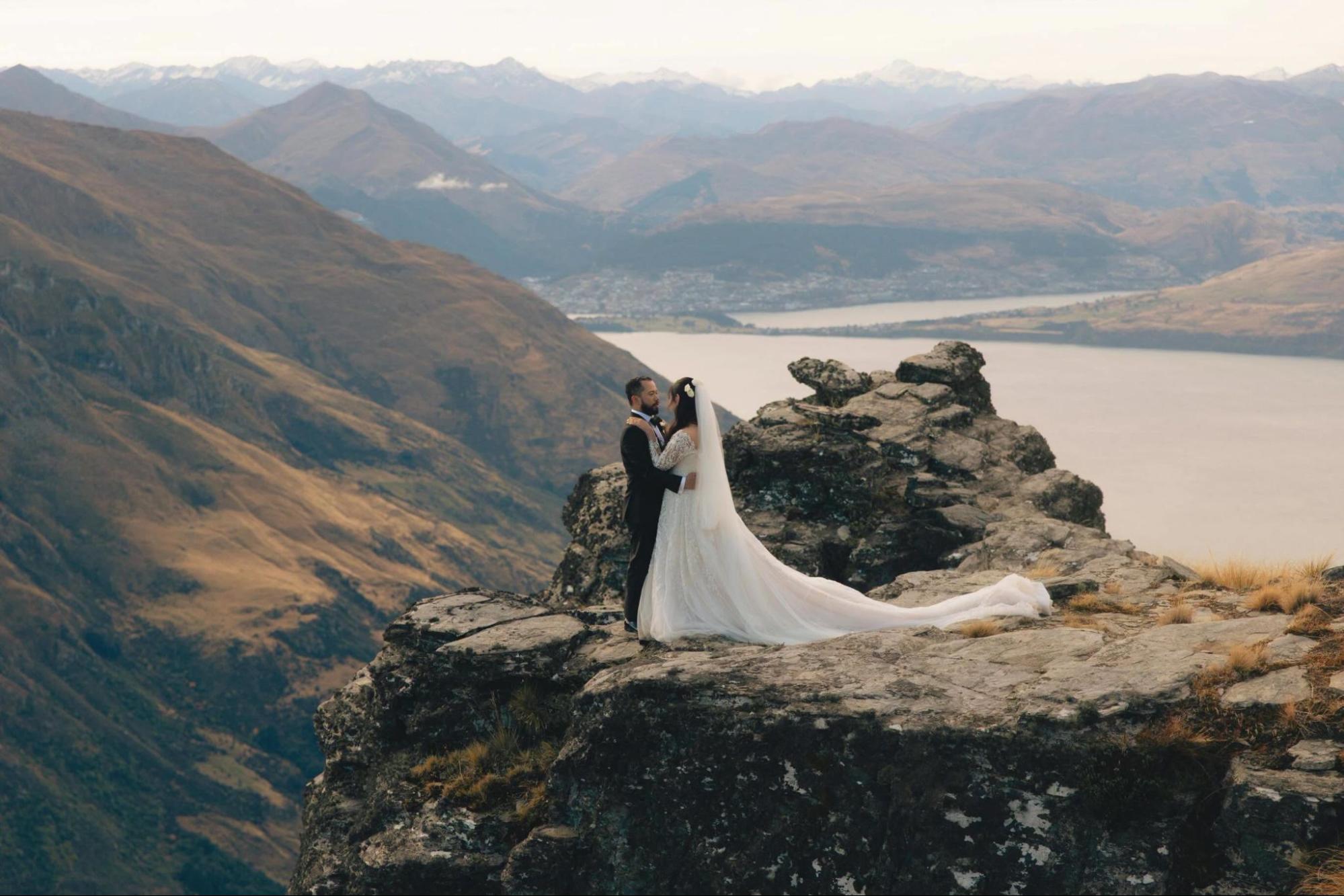
The best time to connect your photographer and wedding planner would, of course, months before the wedding day. Early introductions give both professionals enough time to discuss the schedule, venue details, travel requirements, and each vendor’s responsibilities.
Your planner should have access to the photographer’s coverage hours and important photography requirements. At the same time, the photographer should understand the planner’s overall event timeline and how the day is expected to flow.
This is also a good opportunity to clarify who will communicate important changes. When one person is responsible for sharing updates, there is less chance of conflicting information reaching different vendors.
Create One Wedding-Day Timeline Together
Your photographer’s schedule should be built into the wedding planner’s master timeline rather than being treated as a separate plan. This helps ensure enough time is allocated for photographs without disrupting the celebration.
The timeline should include preparation photos, the first look if applicable, family portraits, wedding party photos, the ceremony, couple portraits, reception entrances, speeches, the first dance, cake cutting, and other important traditions.
For destination weddings, travel time between locations should also be considered. A portrait location may look close on a map but still require additional transportation time. Building realistic buffers into the schedule keeps photography from feeling rushed and allows the day to move more naturally.
Work Out Travel and Venue Logistics in Advance
International photography involves more than simply arriving at the venue with a camera. Your photographer may need to coordinate flights, accommodations, local transportation, equipment, venue access, and arrival times.
Your wedding planner can help by providing local information about the venue, transportation conditions, parking, permits, and photography restrictions. This is particularly helpful when the photographer is unfamiliar with the destination.
It is also important to confirm how the photographer will travel between the preparation area, ceremony venue, portrait locations, and reception. Resolving these details ahead of time allows the photographer to focus on documenting the wedding instead of managing logistics during the celebration.
Align Your Photography Priorities and Shot List
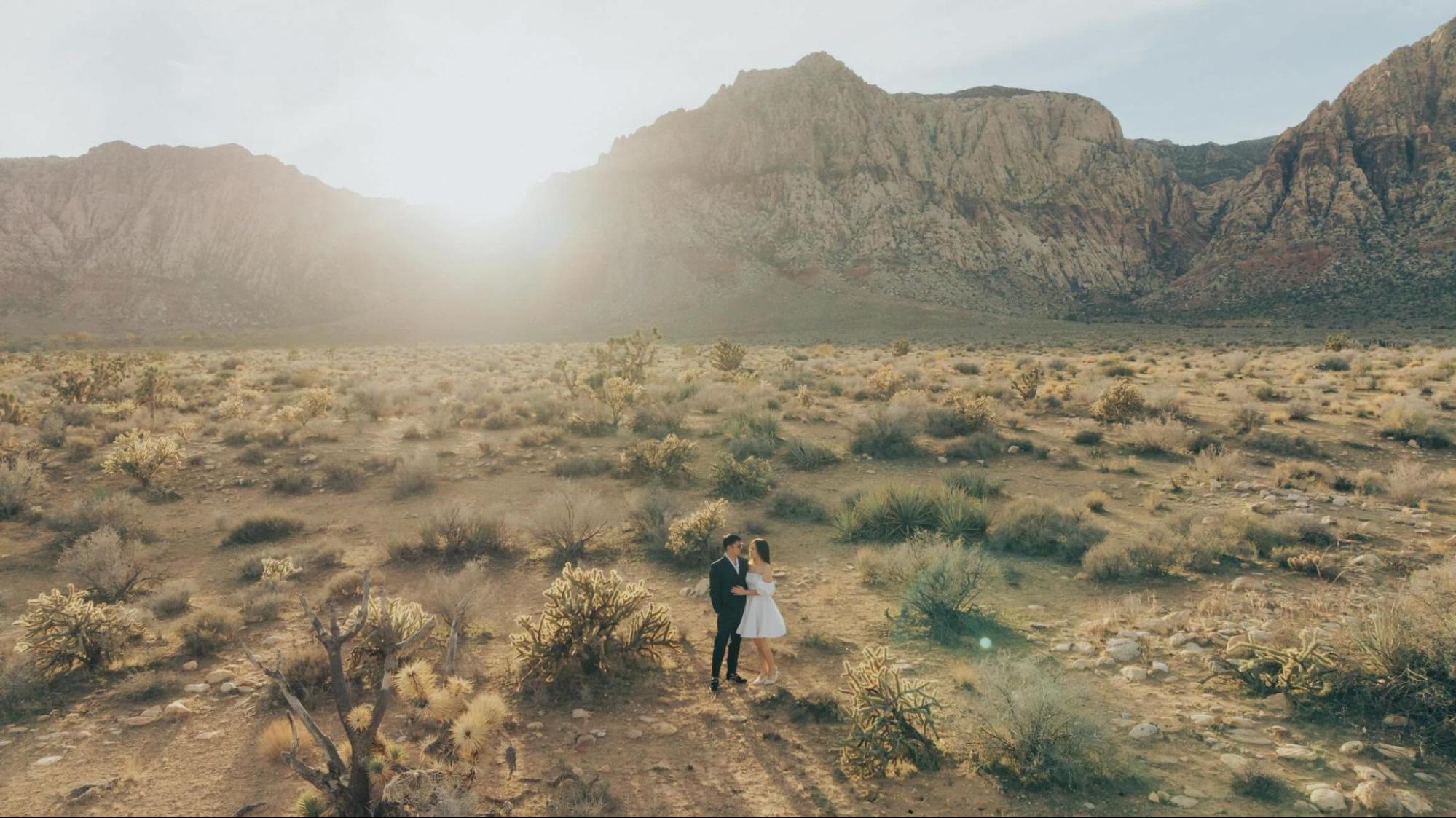
Your planner and photographer should both know which moments matter most to you. A clear list of priorities helps them organize the timeline around the people, traditions, and details you want documented. This may include specific family combinations, cultural or religious ceremonies, décor details, surprise performances, heirlooms, special guests, or a particular location for portraits.
However, a shot list should act as a guide rather than a minute-by-minute checklist. Experienced photographers also need flexibility to capture candid interactions and unexpected moments throughout the day.
Your planner can support this process by helping gather family members for group photos and making sure the photographer is informed before important events begin.
Establish a Clear Communication System
Too many people giving instructions can quickly create confusion. Before the wedding, decide how your planner, photographer, and other key vendors will communicate.
A shared group chat can work well for last-minute updates, while the wedding planner or coordinator can serve as the main point of contact during the event. If the ceremony runs late, transportation is delayed, or the reception program changes, the photographer can be informed quickly.
The goal is to keep the couple from having to manage vendor communication themselves. Your wedding day should be spent celebrating, not answering questions about schedules and logistics.
Prepare Backup Plans for Unexpected Changes
Destination weddings can be affected by weather, transportation delays, venue changes, and other factors that are difficult to predict. A backup plan allows the planner and photographer to adjust quickly without sacrificing important photographs.
For an outdoor wedding, identify alternative portrait locations in case of rain or strong weather. If travel between venues is required, build extra time into the schedule. Your photographer and planner should also agree on which photography moments are most important if the timeline needs to be shortened.
When both vendors understand the priorities in advance, they can make faster decisions without constantly asking the couple what to do next.
Key Takeaway
Successful destination wedding photography depends on more than beautiful locations and professional equipment. The photographer and wedding planner need to work together so schedules, logistics, venue requirements, and important moments are aligned before the wedding begins. Early communication also gives both professionals room to solve potential problems before they affect the celebration.
If you are planning a wedding abroad, Nice Print Photo can help you capture the experience while coordinating with your planner and other vendors. Working with experienced international photographers can make the process feel more organized while allowing you to focus on your celebration.
Share: